Bear Profile
Today!
                  |
 |
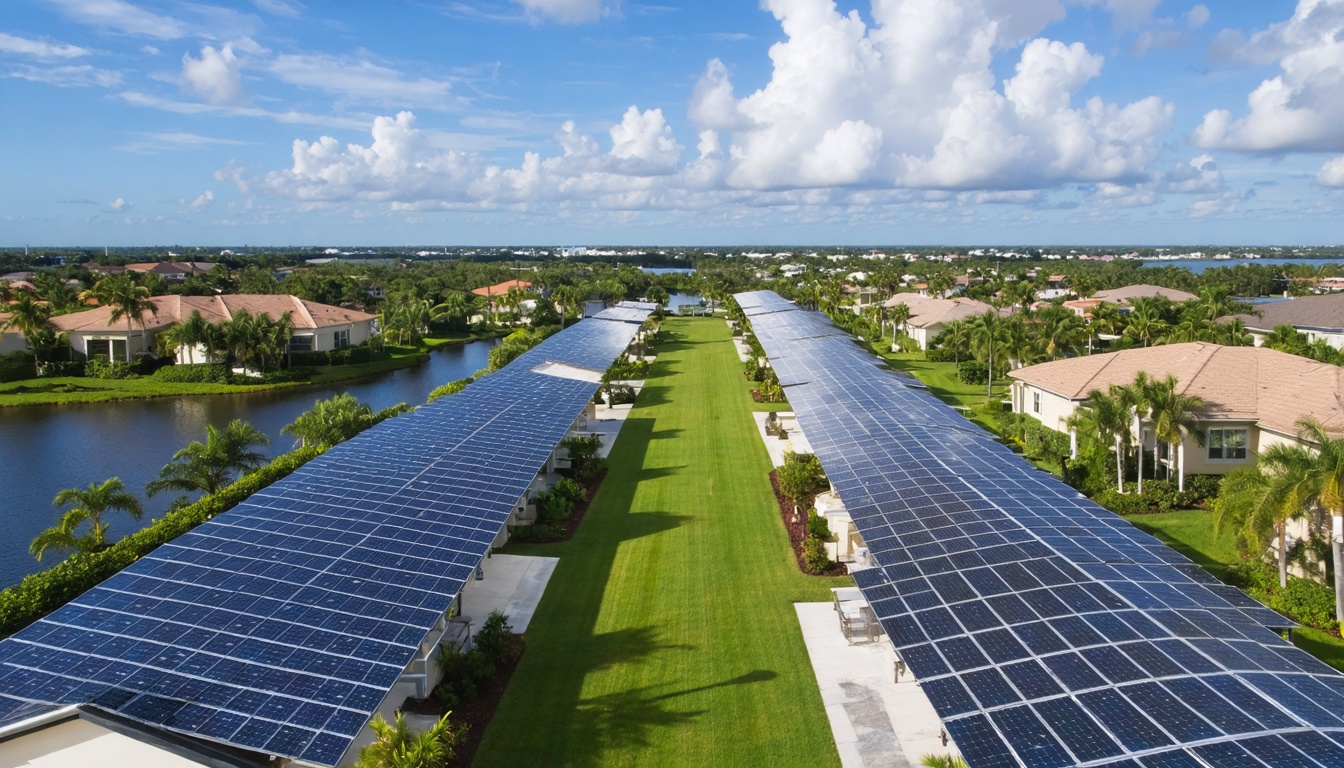
How Local Weather Shapes Solar Energy Decisions in Cape Coral, Florida
In Cape Coral, Florida, the local weather plays a critical role in decisions regarding solar energy adoption. The region experiences frequent storms, high humidity during summer months, and a hurricane season that raises concerns about the resilience of solar systems. These weather conditions can significantly impact the performance, maintenance, and longevity of solar installations. The presence of prolonged sunny days can enhance the efficiency of solar energy systems, offering potential energy savings to homeowners and businesses. However, the risks associated with storm surges and high winds must be carefully considered. Installation practices may require adherence to specific building codes designed to withstand harsh weather, affecting initial costs and long-term investments. Moreover, local policies and incentives for solar energy adoption may vary based on weather-related considerations. Insurance coverage for solar systems could also be influenced by the likelihood of severe weather events, further impacting financial viability. Overall, a nuanced understanding of Cape Coral's weather patterns is essential for making informed decisions about solar energy investments. Proper assessment of the risks and benefits associated with local climate factors can help in developing a sustainable approach toward solar energy solutions in the area.
The Utility Rate Hedge: Why 2026 is the Crucial Year
As 2026 approaches, homeowners in Cape Coral should prepare for the implementation of approved rate increases by Florida Power & Light. These increases are expected to drive up the cost per utility unit, largely influenced by fluctuations in fuel prices and data from the Energy Information Administration.
Analysis indicates that rising electricity prices in Cape Coral might significantly affect household financial planning, particularly for residents who rely heavily on central air conditioning. In order to mitigate these financial impacts, the installation of solar panels and energy storage systems could serve as practical solutions, potentially leading to lower monthly utility bills.
Additionally, homeowners may explore various leasing and financing options which could be available, alongside potential credit or tax incentives to help reduce overall costs.
Moreover, the transition towards renewable energy solutions, as encouraged by the National Renewable Laboratory (NREL), is becoming more relevant in Cape Coral. Homeowners are advised to assess their options, including obtaining a free quote for solar energy installations in Lee County, as a means of evaluating possible savings prior to further increases in utility costs.
Legal Foundation: Florida Solar Rights Act and HOAs
In Florida, homeowners have the legal right to install solar energy systems, even in communities governed by homeowners' associations (HOAs), as stipulated by the Florida Solar Rights Act. This legislation permits residents to install solar panels in areas such as Cape Coral, regardless of any prohibitive HOA policies.
This is particularly important given the context of increasing electricity costs, which has led many homeowners to evaluate solar energy as a practical alternative to conventional utility services.
Research by the U.S. Energy Information Administration and the National Renewable Energy Laboratory (NREL) indicates that financial and tax incentives for solar energy are becoming more attractive. These incentives could potentially improve the overall return on investment for property owners who are considering the installation of solar systems.
Homeowners are protected in their efforts to reduce monthly energy expenses through various ownership options, including leasing, financing, or outright purchasing solar systems.
It is prudent for individuals interested in solar energy installations to become acquainted with any relevant regulations in Lee County, as local policies could affect the deployment of solar energy systems.
Engineering Resilience: Hurricane-Rated Mounting Systems
Implementing a structured approach to solar installation in Cape Coral is essential, particularly for those interested in Cape Coral Solar Panel Installation, due to the region's vulnerability to hurricanes and the presence of corrosive coastal conditions.
It is important to select mounting systems that are rated for hurricane conditions, specifically capable of withstanding wind speeds of up to 160 MPH, as stipulated by the Florida Building Code and IEC 61701 standards.
Additionally, using materials that resist corrosion is critical to counteract the impact of the saline environment on solar infrastructure.
To aid in financial planning, it is recommended to review data from the Energy Information Administration, Lee County, and the National Renewable Energy Laboratory (NREL) concerning local electricity rates and fuel expenditures.
Such analysis will elucidate the financial advantages of the solar system, applicable tax incentives, and potential savings calculated on a per-unit basis.
Moreover, a review of the utility provider's rate structures, particularly for Florida Power & Light (FPL), can help ascertain the effectiveness of solar panel installations in minimizing monthly energy expenses.
For those exploring financing methods, it is prudent to evaluate various options such as storage solutions, leasing agreements, and obtaining multiple quotes from established providers to facilitate well-informed decision-making.
The Battery Revolution: Powerwall 3 vs. Powerwall 2
Homeowners in Cape Coral who are considering options for solar energy storage should evaluate the differences between Tesla’s Powerwall 2 and the newer Powerwall 3. The Powerwall 3 provides a higher continuous power output, which can be advantageous for powering central air conditioning and other critical systems, especially given Florida’s climate.
Additionally, the Powerwall 3 incorporates updated lithium iron phosphate (LFP) chemistry, which is designed to improve battery safety and increase lifespan compared to earlier models.
A notable feature of the Powerwall 3 is its integrated inverter, which streamlines the installation process and reduces system complexity.
Current statistics from the National Renewable Energy Laboratory (NREL) and the Energy Information Administration show that electricity costs in Cape Coral exceed the national average. In this context, energy storage solutions like the Powerwall 3 may be increasingly relevant for homeowners looking to manage energy expenses effectively.
As homeowners assess the potential advantages of solar panel installations, it is essential to consider the capabilities of the Powerwall 3 in relation to recent trends in Lee County.
Utility rates are subject to fluctuations influenced by changes in fuel costs and natural gas prices, which could affect overall energy expenses for residents in the region.
Financials: Lease vs. Purchase and Section 48E
When evaluating solar energy options in Cape Coral, it is important to analyze the financial aspects of both leasing and purchasing a solar system. Leasing typically starts at around $135 per month, which may be more financially feasible for some compared to the average upfront cost of purchasing a solar unit, estimated at approximately $28,316.
The financial benefits are further enhanced by Section 48E tax credits, which can substantially increase the overall returns on investment for solar energy systems.
Moreover, Florida provides sales and property tax exemptions for solar installations, which add to the financial advantages of adopting solar technology.
Data from the Information Administration and the National Renewable Energy Laboratory (NREL) indicates that the average payback period for solar investments in Cape Coral is roughly 10.5 years.
Monitoring trends in utility rates, particularly from Florida Power & Light (FPL), as well as current electricity pricing, is essential for making informed financial decisions regarding solar energy.
Additionally, it is advisable to analyze various financing options diligently to capture potential long-term energy savings.
Obtaining free quotes from solar installation providers can provide valuable insights into the financial implications of investing in solar energy.
Coastal Necessity: Salt-Mist Corrosion Resistance
In Cape Coral’s coastal environment, solar energy systems face continuous exposure to salt-laden air, which necessitates the implementation of corrosion-resistant features.
When installing solar panels, compliance with both the Florida Building Code and the IEC 61701 salt-mist standards is crucial. These standards ensure that solar systems in Lee County can effectively withstand the challenges posed by high winds and corrosive conditions, thereby facilitating reliable power generation.
Research from the National Renewable Energy Laboratory (NREL) and the Energy Information Administration indicates that systems designed with corrosion resistance can lead to long-term benefits, including reduced utility rates and lower maintenance costs.
For those considering solar energy installations, it is advisable to obtain quotes, explore financing options, and assess the potential for applicable credits, tax incentives, and storage incentives associated with renewable energy installations.
Conclusion
When considering solar energy in Cape Coral, it's important to assess how the local climate, advancements in technology, and relevant policies impact your decisions. The region is prone to hurricanes and high humidity levels, which necessitate that solar installations are designed to endure severe weather conditions. Moreover, economic factors, including initial investment costs and potential savings on utility bills, should also influence your decision-making process. Current solar technology has improved in resilience and efficiency, making it plausible to select systems that can function effectively in Cape Coral's climate. Furthermore, local and state policies may offer incentives for solar adoption, potentially offsetting some installation costs. Therefore, by staying informed about these factors and selecting durable solar solutions, homeowners can optimize their energy use and economic investment in a manner that aligns with Cape Coral's unique environmental challenges.
 Last modified
04/24/2004 |