Bear Profile
Today!
                  |
 |
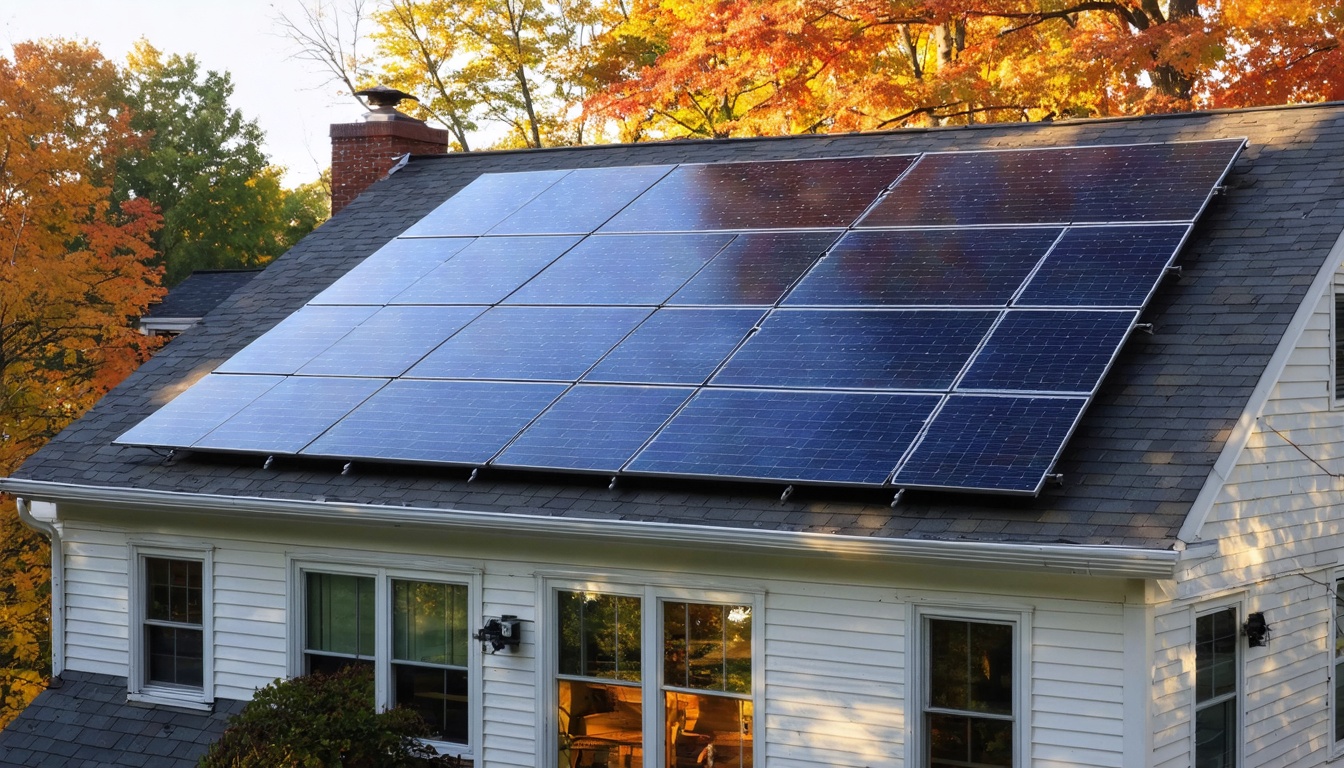
Solar Ready Roof Upgrades That Matter for Homes in Springfield, Massachusetts
If you are considering enhancements to make your Springfield home solar ready, it is important to understand the potential benefits and necessary adjustments required for effective implementation. Solar ready roof upgrades can increase your property’s marketability and decrease energy expenses while facilitating the transition to renewable energy sources. Key upgrades include installing appropriate roof materials that support solar panel installations, ensuring structural integrity to bear the weight of panels, and optimizing roof orientation and angle for maximum sun exposure. Additionally, local zoning regulations and building codes should be reviewed, as they can impact the feasibility and complexity of your solar installation plans. It is also advisable to investigate available incentives, such as tax credits or rebates, offered by state or federal programs, which could help offset initial costs. By assessing these factors, homeowners can better determine which upgrades are most beneficial in preparing for solar energy integration.
Solar-Ready Building Requirements for Springfield Homes
When constructing a new single-family or two-family home in Springfield, Massachusetts, it is important to comply with the city's solar-ready building requirements. These regulations mandate that builders reserve at least 300 square feet of appropriate rooftop space for potential solar panel installation, facilitating the adoption of clean energy by residents.
Prepare for solar panel integration by installing an electrical conduit connecting the main electrical panel to the roof. This conduit is crucial as it enables the later installation of solar panels without requiring extensive modifications to existing electrical systems.
The implementation of solar technology is not solely focused on energy production; it also plays a role in enhancing load management within residential units.
Additionally, it supports the operation of energy-efficient systems, such as heat pumps, energy storage units, and electric vehicle (EV) chargers.
By improving energy efficiency and facilitating the usage of renewable energy sources, these solar-ready measures can contribute to increasing the overall value of homes in Springfield, aligning with the city's objectives for sustainable energy development.
Structural and Electrical Considerations for Solar Installations
Solar panels can result in significant energy savings; however, the effectiveness of installations in Springfield homes requires a careful assessment of both structural and electrical factors during the planning process.
It is recommended that homeowners reserve a minimum of 300 square feet of rooftop space, which must be structurally reinforced to support the weight of a solar system. The pitch of the roof and its exposure to sunlight are important parameters; optimal positioning can improve energy output and maintain operation of energy-demanding devices, such as pumps and storage units.
In addition, proper electrical preparations are essential for a successful solar installation. This entails accurate sizing of the main service panel and ensuring that pre-installed conduits meet the system's requirements.
Following these standards not only supports the adoption of renewable energy technologies, but also has the potential to preserve and enhance property values for homeowners in Massachusetts.
By concentrating on these fundamental aspects, homeowners can make well-informed decisions that address their energy needs and financial goals.
Practical Tips for Builders and Homeowners
Homeowners and builders in Springfield preparing properties for solar energy installations should prioritize planning around the roof, as it is integral to the solar installation process. A minimum of 300 square feet of unobstructed rooftop space is recommended for the effective placement of solar panels.
It is also important to assess the electrical infrastructure of the property. Installing conduit from the main electrical panel to the roof is vital for the efficient integration of solar systems, heat pumps, and electric vehicle (EV) chargers. Homeowners in Springfield should consider consulting Local Solar Installation Services to ensure all electrical preparations meet local standards and optimize system performance.
In terms of optimizing roof space for solar panels, homeowners in Massachusetts may benefit from removing vents and chimneys from designated solar panel areas. This approach could enhance the efficacy of clean energy projects while potentially preserving property value.
In the context of roof replacement or renovation, incorporating appropriate mounting systems for solar panels is advisable. This facilitates the complete installation of solar equipment and allows for future integration of energy storage solutions.
Additionally, ensuring proper orientation of the solar panels can contribute to improved home energy efficiency, particularly during peak energy consumption periods.
Key Benefits of Investing in Solar-Ready Infrastructure
Investing in solar-ready infrastructure offers several financial and practical advantages for homeowners in Springfield. By preparing rooftops for solar panel installation, homeowners can ensure compatibility with future solar energy systems. This involves meeting load requirements and following electrical specifications necessary for effective operation.
Implementing comprehensive storage solutions and conduit pathways can help reduce electricity costs while facilitating the adoption of clean energy. Such infrastructure improvements generally simplify the installation process for solar energy systems, which can decrease the time needed for setup and allow for smoother integrations of pumps and electric vehicle (EV) chargers.
Additionally, these upgrades can aid in maintaining compliance with commercial regulations.
Moreover, properties with solar-ready infrastructure may experience an increase in market value. Homes that are equipped for solar energy may appeal to prospective buyers who place importance on renewable energy options, thereby providing an advantage for those interested in energy efficiency and sustainability.
In summary, these infrastructure enhancements promote a practical approach to energy management within residential properties.
Spotlight on a Greenfield Residential Solar Project
In Western Massachusetts, a recently completed residential solar installation in Greenfield serves as a practical example of how methodical planning can optimize a home's energy profile. The project included the removal and replacement of outdated rooftop solar panels, as well as upgrades to the electrical load capacity and energy storage systems. These modifications are designed to support Massachusetts homeowners in leveraging renewable energy solutions.
The solar installation is expected to produce approximately 5,905 kWh annually, which can be utilized for various energy needs, including heat pumps and electric vehicle charging. It also allows homeowners to participate in state energy programs, such as Eversource Massachusetts’ Net Metering initiative.
To comply with regulatory standards and ensure operational efficiency, structural reinforcements were incorporated into the project.
This initiative is indicative of a broader trend towards the adoption of clean energy solutions. It may contribute to increasing property values and can potentially reduce energy expenditures for homeowners by facilitating the use of renewable resources. The project reflects an ongoing shift in residential energy consumption practices toward more sustainable methods.
Massachusetts Energy Efficiency Incentives and Support Programs
Massachusetts provides financial assistance to homeowners through the Energy Saver Home Loan Program, designed to facilitate energy-efficient upgrades. This program offers support for improvements such as solar-ready roof modifications, upgraded electrical systems, and advanced heating solutions. Homeowners can apply for incentives to cover expenses related to complete roof replacements, the removal of outdated oil tanks, and the installation of efficient heat pump systems.
These enhancements can lead to decreased energy consumption and potential savings on utility bills.
Moreover, the installation of rooftop solar panel systems, energy storage units, or electric vehicle (EV) chargers can further support homeowners in adopting renewable energy solutions. Such upgrades not only improve energy efficiency but may also enhance the property's overall market value and update household operations.
Homeowners in Massachusetts are encouraged to explore these programs and assess their potential financial advantages when planning energy-related renovations.
Conclusion
Investing in solar-ready roof upgrades can provide several benefits for homeowners in Springfield, Massachusetts, including enhanced property value, reduced energy costs, and improved sustainability. When planning for solar energy, it is essential to evaluate the structural integrity, electrical compatibility, and compliance with local regulations pertinent to solar installations. Addressing structural considerations involves assessing if your roof can support the weight and design of solar panels. Additionally, ensuring the electrical infrastructure can accommodate the energy produced by solar panels is crucial for maximizing efficiency. Familiarity with local building codes and any permitting requirements may also streamline the installation process in the future. In Springfield, various local incentives and subsidies may further support homeowners looking to implement solar energy solutions. Engaging with professionals who are knowledgeable about these options can enhance the investment's financial viability. Overall, preparing your home for solar energy is not just about the installation itself; it also contributes to the property's long-term resiliency and energy efficiency.
 Last modified
04/24/2004 |